
What on-page SEO is
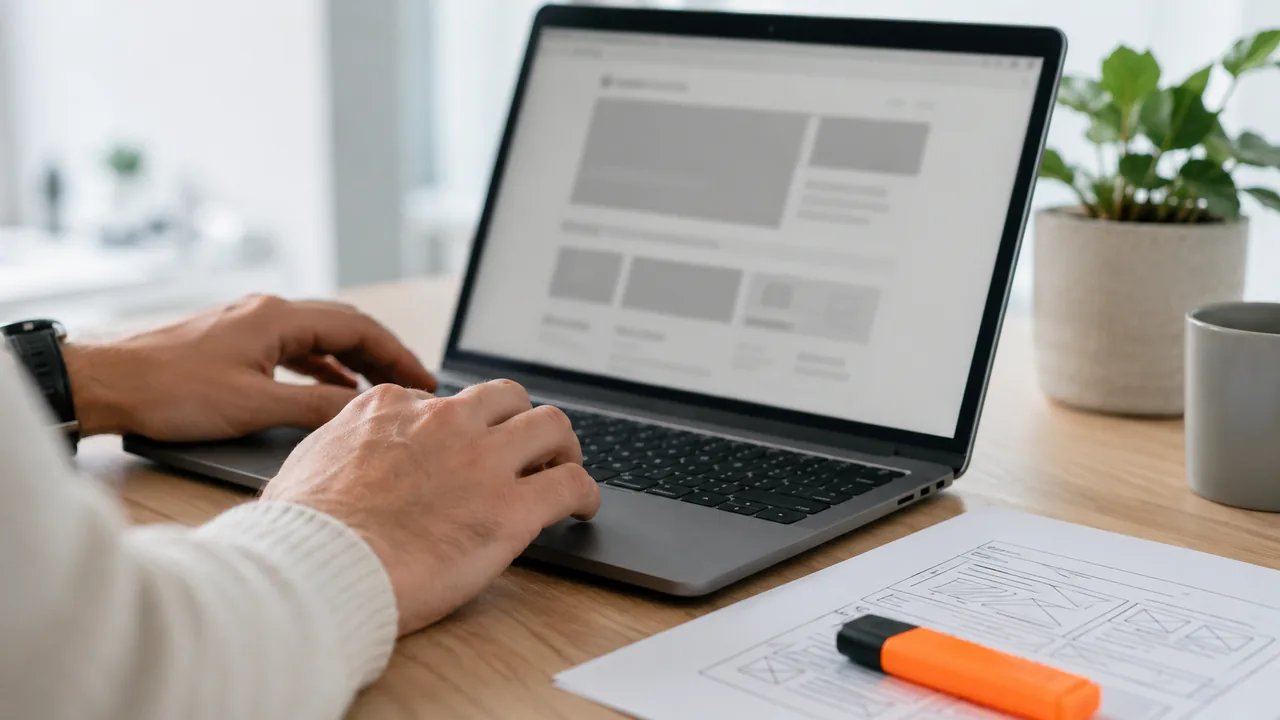
On-page SEO is optimising the content and HTML of a single page so it ranks for the query it targets and converts the person who lands on it. It covers your title and headings, how well the content matches what the searcher wants, your internal links, and small signals like image alt text and the URL. Done well, it tells Google and the reader the same thing: exactly what this page answers.
It sits between the technical foundation and your links. A page can be fast and cleanly indexed, the job of technical SEO, and still not rank if the content does not answer the query better than the pages above it. On-page is where you earn the ranking, one page at a time.
Start with search intent
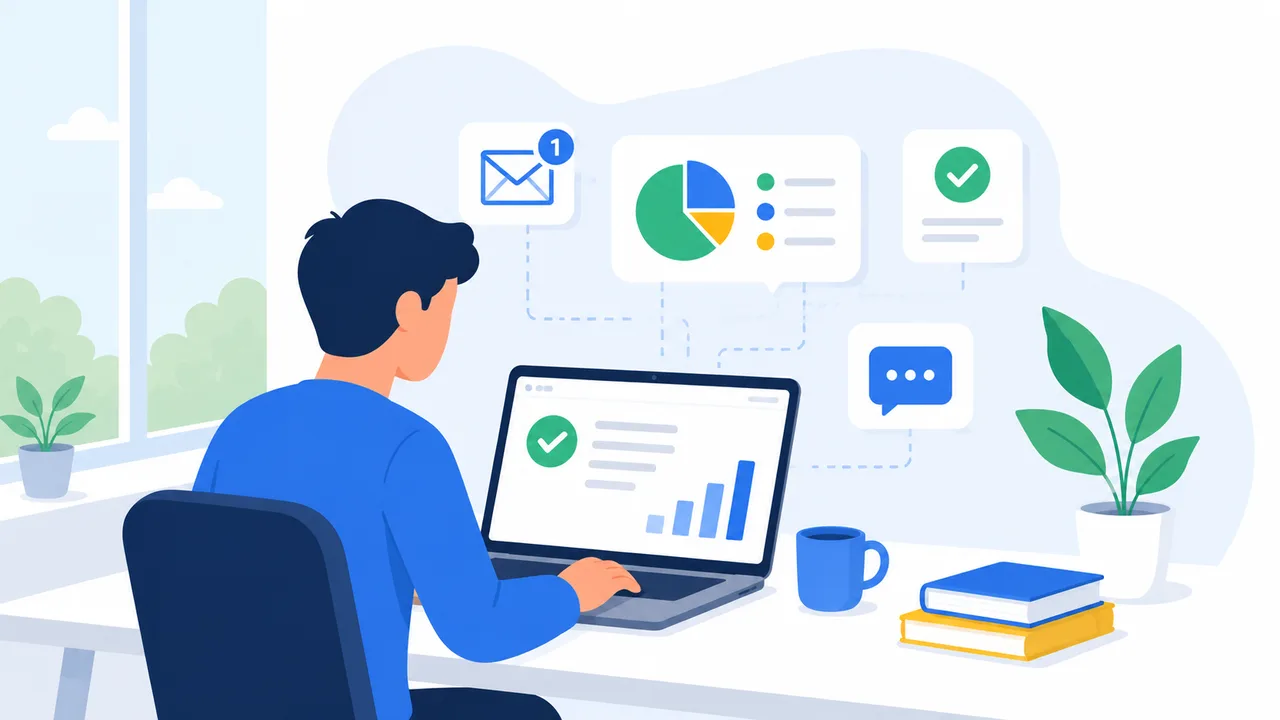
Before a word of copy, work out the intent behind the query: what the searcher actually wants when they type it. Someone searching "what is local SEO" wants an explanation; someone searching "local SEO agency Enfield" wants to hire. Same topic, two different pages. Match the wrong intent and no amount of polish will rank the page, because it answers a question nobody asked.
Intent decides the format, depth and tone before anything else. The quickest way to read it is to look at what already ranks for the query. If the results are how-to guides, Google has judged the intent informational; if they are service pages, it is commercial. Build the page that fits.
| Intent | What the searcher wants | What to publish |
|---|---|---|
| Informational | To understand or learn something | A guide or article that answers the question |
| Commercial | To compare options before choosing | A service or comparison page |
| Transactional | To act, buy or enquire now | A focused page with one obvious next step |
| Navigational | To reach a specific business or page | Your homepage or the named page |
Read the intent first, then build the page that matches it.
Headings that structure the page
Headings organise the page for the reader and tell Google how it is built. Use one H1, the main title of the page, then H2s for the major sections and H3s beneath them where needed. The structure should make sense if someone reads only the headings.
Work your topic and its related terms into headings naturally, because they carry more weight than body text and they are what a reader scans first. Do not force a keyword into every heading. Write headings that describe the section honestly, which is usually the same thing.
Write content that matches the query
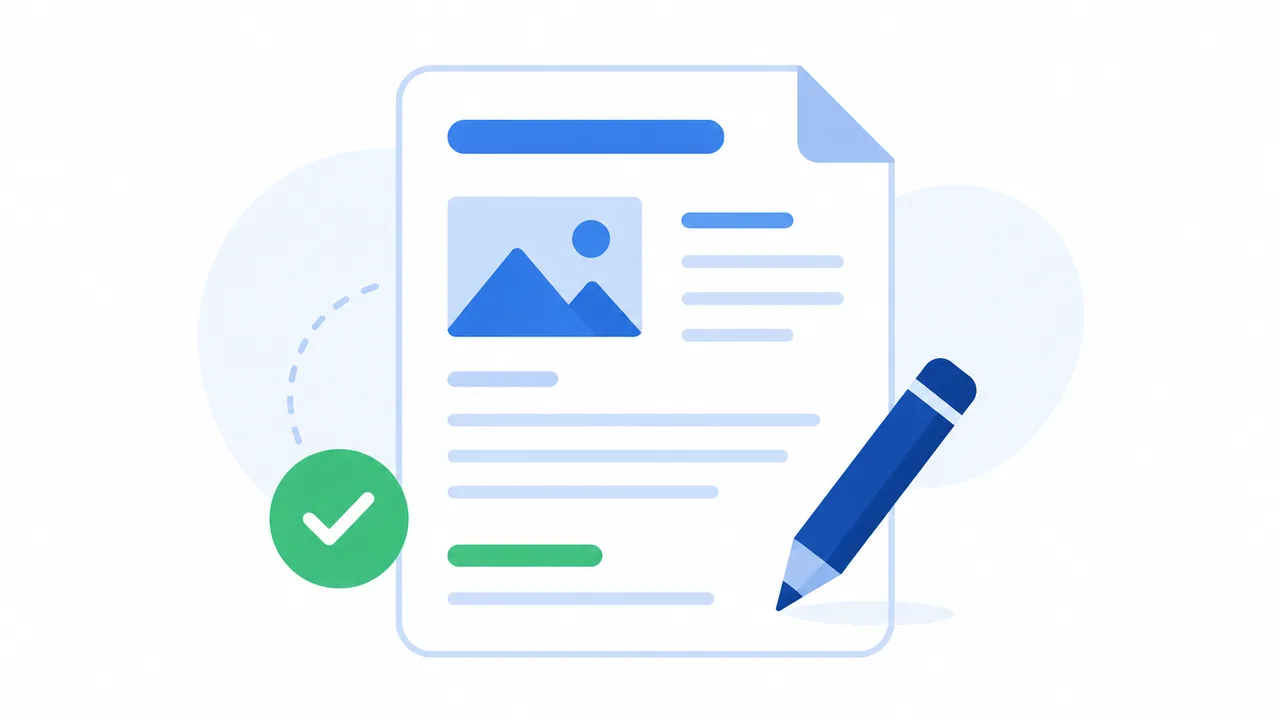
Good on-page content answers the query fully and plainly, then stops. Depth should match the intent, not a word count: a simple question needs a short, complete answer, while a buying decision needs enough to remove every doubt. Lead with a direct answer the reader and an AI assistant can lift, then expand into the detail.
Cover the related questions a reader would ask next, use the words real people use rather than jargon, and be specific with named places and concrete steps. There is no magic length. A page ranks when it answers the question better than the alternatives, a bar you clear with usefulness, not padding.
Internal linking
Internal links pass authority between your own pages and help Google find and understand them. When a page links to another with descriptive anchor text, it tells Google what the target page is about and hands it some ranking strength. A page nothing links to, an orphan, struggles to rank because Google barely sees it.
Link with intent: from your guides to the service pages they support, and from related articles to each other, using varied, descriptive anchors rather than "click here" or the same phrase every time. This is different from earning links from other websites, which is its own discipline. Internal links you control completely, so use them.
Winning featured snippets
A featured snippet is the boxed answer Google lifts to the top of some results, and you win it by giving Google a clean answer to lift. Put a direct, self-contained answer to the question right after a heading that matches it, in a short paragraph, a list or a small table, the formats Google pulls from most often.
The same structure that wins snippets is what gets your content quoted by AI assistants, covered in our guide to AI search. Answer the question first, expand second, and format the answer so a machine can extract it.
The on-page details that add up
A handful of smaller signals round out a well-optimised page. None wins a ranking alone, but skipping them leaves easy value on the table.
- URL slug: short, readable and relevant, like /local-seo-enfield-town/ rather than /page?id=42.
- Image alt text: describe the image plainly for screen readers and search, without stuffing keywords.
- Related terms: weave in the words and subtopics around your main term, since Google reads meaning, not just the exact phrase.
- One page, one primary intent: never make two pages compete for the same query.
On-page SEO in the AI era
On-page SEO has not been made redundant by AI search. If anything it matters more. The clear titles, honest headings, direct answers and tight structure that help a reader and help Google are exactly what an AI model needs to understand and quote a page. The fundamentals did not change, the audience widened.
Build each page around one intent, answer it better than the pages you are competing with, and structure it so both a person and a machine can find the answer fast. That is on-page SEO, and it is where most local businesses have the most room to improve.