

What link building is
Link building is the work of earning links from other websites to yours. Google treats each link as a vote: a signal that another site found yours useful enough to point to. Sites with more good links from trusted, relevant places tend to rank higher, because those votes add up to authority.
The key word is earning. The links that help and last are editorial, given freely because your content, work or story deserved a mention. Links bought in bulk or dropped on low-quality sites are the ones that invite trouble. This guide is about the safe, durable kind, and it is a different job from building directory citations, which confirm your details rather than pass authority.
What makes a good backlink
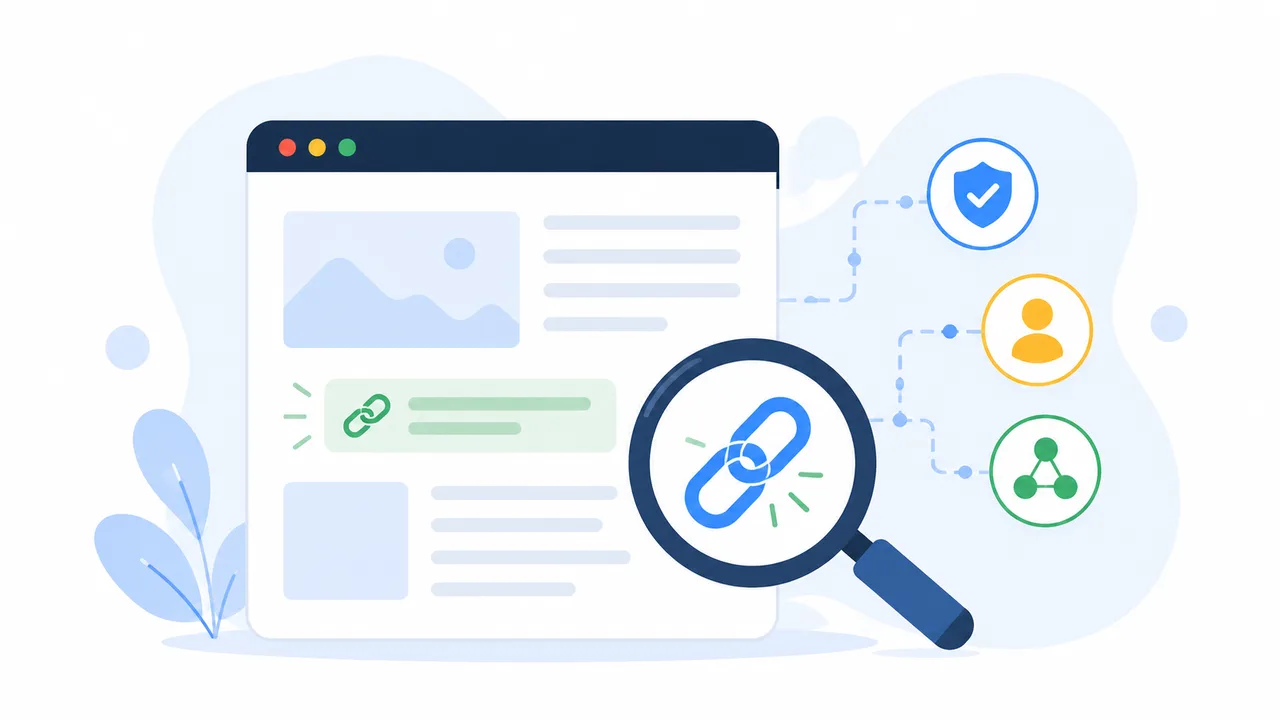
Not all links are equal. A single link from a respected, relevant site can be worth more than fifty from thin, unrelated ones. The qualities that matter are relevance, how related the linking site is to your business or topic; authority, how trusted that site is; and whether the link is genuinely editorial, placed in real content rather than a footer or a paid list.
Context counts too. A link inside a relevant article, with natural anchor text that describes what it points to, reads as a genuine recommendation. A site-wide sidebar link, or one with stuffed exact-match anchor text, reads as engineered. Aim for links you would be glad to have even if they passed no SEO value at all.
| A good link | A risky link |
|---|---|
| From a relevant, trusted site | From an unrelated or spammy site |
| Editorial, inside real content | Paid, or dropped in a footer or list |
| Natural, descriptive anchor text | Stuffed exact-match anchor text |
| One you would want regardless of SEO | One built purely to game ranking |
Chase the left column; avoid the right.
Backlinks versus citations
It is worth being clear on the difference, because the two get muddled. A backlink is a clickable link from another site that passes authority and helps you rank more broadly. A citation is a mention of your name, address and phone, often without a link, whose job is to confirm your business details for local search. You want both, built in different ways.
In short: links build authority, citations build trust in your details. The full method for the latter is in our guide to local citations. The rest of this guide is about earning the links.
Local link building for Enfield
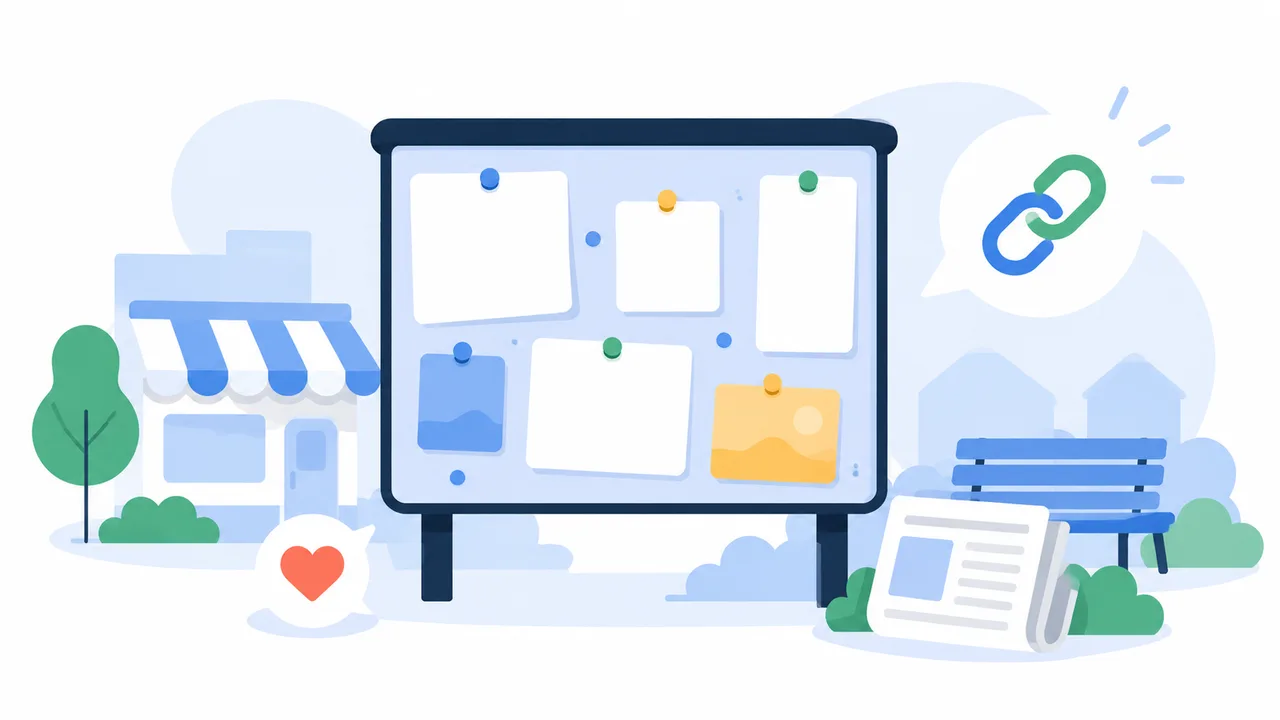
For a local business, the most accessible and valuable links are local ones. A mention and link from an Enfield community site, a local news story, a charity or event you sponsor, or a neighbouring business you partner with all carry real weight, because they are relevant to exactly the area you serve. They also tend to be genuinely earnable, unlike links from major national sites.
Practical local angles include sponsoring a local club, team or event, offering a genuine expert comment to the local press, partnering with complementary Enfield businesses, or being listed by a local chamber or association. Each is a real-world relationship that happens to produce a link, which is exactly the kind Google trusts.
The safe ways to earn links
Beyond local, a handful of methods are both effective and safe for a small business. None is a trick; each is a way of giving someone a real reason to link to you.
- Supplier and partner links: the brands and partners you work with often credit the businesses they work with.
- Resource-page outreach: find pages that list useful local or industry resources and make the case to be included.
- Expert commentary: answer journalist requests (services such as Featured, formerly HARO) with genuine expertise.
- Linkable content: publish something genuinely useful, a guide, tool or local data, that others want to reference.
- Digital PR: a real story, survey or angle that earns coverage and links from relevant publications.
Does guest posting still work
Guest posting still works when it is done as real contribution, not as a link scheme. A well-written, genuinely useful article on a relevant, reputable site puts you in front of a new audience and can earn a natural link. The version Google penalises is the industrial kind: spun articles placed in bulk on low-quality sites purely for the link.
The test is whether you would write the piece even if the link were nofollow. If the site is relevant, the audience is real and the content is something you are happy to put your name to, it is worth doing. If the site exists only to sell links, stay away.
How many backlinks do you need
There is no absolute number, and chasing one is a mistake. The useful comparison is relative: how many quality referring domains the sites currently outranking you have, versus you. It is referring domains, the number of separate sites linking to you, that matters more than the raw count of links.
Some volume is needed in a competitive space, but quality and relevance decide it, and links are best built steadily over time rather than in a sudden burst, which can look unnatural. Be wary of anyone quoting a fixed figure, like a guaranteed number of links a month, as if it were science. It is not.
Toxic links and when to disavow
Occasionally you will find spammy links pointing at your site that you never built, from link farms or scraped directories. The good news is that Google is generally good at ignoring obvious junk, so most of the time these do nothing and need no action. Panic over a few odd links in a backlink tool is usually unwarranted.
The disavow tool, which tells Google to ignore specified links, is a last resort for genuine cases, typically a real history of paid or manipulative link building you are cleaning up. For most small businesses that never bought links, you will likely never need it. When in doubt, do nothing rather than disavow good links by mistake.
Links are earned, not bought
The thread running through all of this is that durable links are earned by being worth linking to, not bought in bulk. Useful content, real local relationships, genuine expertise and the occasional good story are what produce links that last and never become a liability. It is slower than buying, and it is the only approach that compounds instead of backfiring.
Paired with solid on-page SEO and consistent citations, earned links are what extend your authority beyond the local pack into competitive organic results.